Vacuum coating is a key finishing technology. It is vital for modern manufacturing. This process improves product durability, protection, and appearance. It works across many fields. **Layer deposition** techniques create high-quality surfaces. This applies to tools and tumblers. This article explains the coating process, its methods, and its importance.
Table of Contents
- What Is Vacuum Coating?
- How Does Vacuum Coating Work?
- Why Vacuum Coating Is Performed in a Vacuum Environment
- Main Types of Vacuum Coating Techniques
- Key Components of a Vacuum Coating System
- Common Applications of the Coating Process
- Vacuum Coating vs Traditional Surface Coating Methods
- Benefits of This Coating Technology
- PVD in Stainless Steel Drinkware Manufacturing
- Conclusion
What Is Vacuum Coating?
This technique treats surfaces. It applies a very thin film onto an object, or substrate. This process happens inside a controlled vacuum. The coating material is often metal or ceramic. It turns into vapor, either physically or chemically. It then settles on the product’s surface at an atomic level. This precise **layer deposition** process is also called vacuum deposition.
Vacuum coating creates uniform, high-performance finishes. These finishes improve surface qualities. Examples include hardness, wear resistance, protection, and better looks. The process works well with metals, plastics, glass, and ceramics. It has many applications. The method changes surface traits without altering the core material. This supports specialized engineering needs.
How Does Vacuum Coating Work?
First, workers place the object inside a sealed chamber. Pumps then remove air and contaminants. This creates a very low-pressure environment, often below $10^{-4}$ Torr. Once the vacuum is stable, the coating material is vaporized. This uses heat (thermal evaporation), electricity (sputtering), or plasma (cathodic arc deposition).
The vaporized atoms travel through the vacuum. They bond directly to the surface. The **layer deposition** process is tightly controlled. This creates a final coating that is thin, dense, and uniform. It adheres strongly to the base material. Controlling the temperature and pressure is key. This control determines the final film structure. For example, small temperature changes affect crystal grain formation. The vacuum coating machine manages the entire operation.
Why Vacuum Coating Is Performed in a Vacuum Environment
A vacuum is essential for quality coatings. Normal air contains oxygen, moisture, and dust. These contaminants would interfere with the coating process. This interference causes defects, weak adhesion, or unwanted chemical reactions. Operating at high vacuum ensures a pure deposition environment.
Removing air allows for precise control over deposition. It also controls energy transfer. This ensures that coating atoms travel directly to the surface. The result is cleaner, denser, and more durable coatings. They perform better than finishes applied in open air. This controlled environment is vital for advanced materials.
Main Types of Vacuum Coating Techniques
Physical Vapor Deposition (PVD)
PVD is the most common vacuum deposition method. It is used for hard, durable, and attractive surfaces. PVD vaporizes a solid source material, called the target. This vapor then condenses onto the substrate. Sputtering and cathodic arc deposition are popular PVD methods. PVD coatings offer strong adhesion and great wear resistance. They also provide durable decorative finishes. PVD is widely used on tools and consumer goods. This method allows for multi-layered coatings for complex needs. The process happens inside the vacuum coating machine chamber.
Chemical Vapor Deposition (CVD)
CVD uses chemical reactions for coating. Gaseous precursors are fed into the chamber. They react at high temperatures. This forms a solid layer on the heated object. The CVD process is crucial when coatings need strong bonds and pure layers. It also ensures full coverage on complex shapes. This creates effective thin film layers. It is a key technique in semiconductor manufacturing. Unlike PVD, CVD relies heavily on temperature to drive the chemical reaction.
Thermal Evaporation
Thermal evaporation is a simple process. It uses heat or electron beams to vaporize materials. These atoms travel and condense on the cooler object. Manufacturers mainly use this method for pure metal coatings. You find it in optical coatings (anti-reflective layers) and packaging films (aluminized plastic). High strength is not the main requirement here. This is the oldest form of vacuum deposition.
Key Components of a Vacuum Coating System
A complete vacuum coating machine has several sophisticated parts working together. Proper function of each part is essential for quality control.
- Vacuum Chamber: This sealed space holds the workpiece. It keeps the clean environment for quality vacuum deposition.
- Vacuum Pumps: This series of pumps removes air and creates the low-pressure conditions. They are reliable and fast.
- Evaporation or Deposition Sources: These tools turn solid materials into vapor. This prepares them for thin film application.
- Control Systems: These computer systems monitor and adjust all key settings. They regulate pressure, temperature, and deposition rate, ensuring consistency.
Common Applications of the Coating Process
This surface finishing technology is used across many industries due to its versatility and benefits. Common applications include:
- Automotive and aerospace parts (e.g., engine parts, reflective headlamps).
- Manufacturing and cutting tools (e.g., drills, milling inserts coated for longer life).
- Medical and surgical instruments (e.g., biocompatible coatings for implants).
- Consumer electronics and hardware (e.g., phone casings, screen protection).
- Decorative finishes for household products (e.g., faucets, jewelry, stainless steel vessels).
Vacuum Coating vs Traditional Surface Coating Methods
These technologies offer higher precision and cleaner results compared to traditional methods like electroplating. Traditional methods often happen at atmospheric pressure. This exposure creates thicker, uneven layers. It causes defects like porosity and poor adhesion.
The vacuum process produces thinner, more uniform layers. It offers excellent adhesion and minimal waste. It also uses fewer liquid chemicals. This makes it a more eco-friendly option. Modern industry favors this process for safety. The vacuum coating machine requires less chemical handling than traditional electroplating lines.
Benefits of This Coating Technology
These specialized coating processes provide major benefits for manufacturers. Key advantages include:
- Improved corrosion and wear resistance. This significantly extends product lifespan.
- Excellent surface uniformity and thin film quality. This is vital for precision parts.
- Enhanced appearance. This provides a premium, durable decorative finish.
- Strong adhesion to base materials. This is thanks to the clean, vacuum environment.
- Reduced environmental impact. This is due to less waste and chemical use.
PVD in Stainless Steel Water Bottle Manufacturer
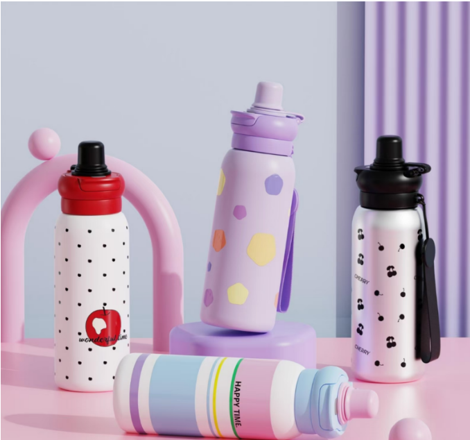
In stainless steel drinkware manufacturing, vacuum deposition is common. It is used for decorative and protective finishes. PVD is the main method here. It allows for consistent color coatings like black, gold, copper, and custom hues. PVD provides durable colors, matte or glossy effects, and scratch-resistant surfaces.
These vacuum coating technologies help brands offer high-end products. They maintain strict food safety and long-term durability. Coated stainless steel tumblers are popular for promotional and custom designs. This is all thanks to the strong PVD finish. The PVD layer ensures the color does not chip or fade easily.
Conclusion
This surface treatment is a critical technology. Manufacturers enhance durability, function, and appearance across many products. They apply thin, high-performance coatings in a controlled vacuum. The modern vacuum coating machine is essential to this process.
Industries need higher quality, more precise, and more sustainable methods. This thin film technology remains an essential and reliable solution. It serves both industrial and consumer applications.