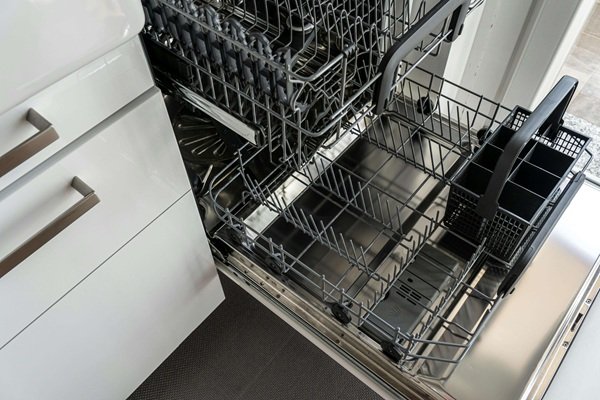
Good care keeps your bottles safe, strong, and long-lasting. Most plastic Owala bottles are dishwasher safe. The safe method depends on the material. For stainless steel bottles like the award winning Owala FreeSip, only the lid should go in the dishwasher. Hand wash the cup body. This protects its insulation and finish. Many lids use innovative lead free solder for extra safety.
Table of Contents
1. Plastic Owala Bottles: Fully Dishwasher Safe
Most plastic Owala bottles are safe for the dishwasher. This includes the award winning Owala FreeSip. They use Tritan plastic. This material is BPA-free, lead free, and very strong. These bottles are technically dishwasher safe. You can put them on the top rack. You can also place them in a secure silverware bin. They will stay in good shape even after many washes.
- The whole bottle, lid, and straw are safe. Lids are top rack dishwasher safe.
- Keep bottles upright to stop tipping or scratches.
- Take seals and small pieces apart for a full clean.
- Soak bottles in vinegar or baking soda water for odors or old drinks.
- Always check the manufacturer’s care instructions first.
- Rinse bottles with warm water before the first time you use them.
2. Stainless Steel FreeSip: Lid Only
For stainless steel bottles, only the lid is technically dishwasher safe. We recommend you hand wash the cup body. Stainless steel bottles have vacuum insulation. They also have a delicate finish. Lids often use innovative lead free solder and can be washed in the dishwasher. Remember, lids are top rack dishwasher safe for the best care.
- Lids are safe for heat and water on the top rack.
- Hand wash the stainless steel cup body with warm, soapy water. Use a soft sponge or straw brush for the best results.
- Wide-mouth bottles are easier to clean. They also protect the insulation better.
- Even steel needs gentle cleaning to protect the exterior finish.
- Use soft sponges or brushes. This protects the finish and logos.
3. Risks of Dishwasher Use for Stainless Steel Bottles
Putting stainless steel bottles in the dishwasher can cause these problems:
- Surface damage: High heat or strong detergents may fade the coating.
- Scratches: The bottle can get scratched from contact with other metal items.
- Lower insulation: Water entering the vacuum layer can reduce heat retention.
- Logos or paint may fade quickly if not hand washed.
- Even lead-free bottles need proper care to last for a long time.
4. Deep Cleaning Tips
Sometimes bottles need a deeper clean. This removes odors, residue, or bacteria. Follow these simple steps:
- Take apart all pieces: lid, straw, seals, and gaskets.
- Scrub each part well with warm, soapy water. Use a small sponge or straw brush to reach all tight spots, especially inside the straw and under the seals.
- For strong smells, try soaking the award winning Owala FreeSip body in a cleaning solution. Fill the bottle with warm water and a cup of distilled white vinegar.
- Let the bottle soak for 15–30 minutes (up to 24 hours for very strong odors). The vinegar acts as a natural disinfectant.
- Use a gentle scrub of baking soda and vinegar for tough stains.
- Only put dishwasher-safe parts in the machine. Lids are top rack dishwasher safe.
- Air dry all parts fully before you put them back together.
- Avoid harsh chemicals or rough sponges. Protect the finish and designs.
- Check seals and gaskets often. Replace them if you see damage.
- Regular deep cleaning keeps bottles safe and smelling fresh.
5. Microwave Safety
Never put Owala bottles in the microwave. Stainless steel can cause sparks. Plastic lids or seals can build pressure. This can cause spills or sudden opening.
- Do not microwave stainless steel bottles at all.
- Do not microwave plastic bottles. Use warm water to heat instead.
- Pour hot drinks carefully. This avoids burns.
- Watch children closely when they use hot liquids.
- Following these steps keeps bottles safe and in good condition.
6. FAQ
- Are Owala bottles lead free? Yes. All models are lead free, including the award winning Owala FreeSip.
- Can I freeze my bottle? Stainless steel bottles are freezer safe. Plastic bottles may crack if you freeze them.
- How often should I clean my bottle? Rinse daily. Deep clean weekly to remove residue and smells.
- What is the best way to remove strong odors? Soaking the parts in distilled white vinegar for several hours is the most effective method for neutralizing strong smells.
- Are Owala bottles dishwasher safe? Plastic bottles are fully safe. Only stainless steel lids are safe. Remember, lids are top rack dishwasher safe.
Want Custom Tumbler at a Better Price? Contact Steelermax
Steelermax makes both plastic and stainless steel tumblers. We offer full customization (OEM/ODM). Ordering from the factory gives you cost-effective bulk orders. It also ensures consistent quality.
- Plastic and stainless steel options are available.
- You can customize colors, logos, and packaging.
- We offer reliable bulk production and export experience.
- We give advice on proper cleaning and bottle care.
- Flexible order quantities are available for any batch size.
7. Summary
Plastic Owala bottles made from Tritan plastic are fully dishwasher safe. Stainless steel FreeSip bottles must be hand washed. Only the lids are technically dishwasher safe. Regular cleaning and careful handling protect the insulation and finish. Always remember, lids are top rack dishwasher safe. They can also be placed in a silverware bin for a secure wash. Use a sponge or straw brush to thoroughly clean all small components.
Proper care keeps Owala bottles safe, functional, and attractive. Following these steps keeps bottles clean, protects the designs, and helps them last longer.