Easy Guide: Stainless Steel Reusable Water Bottle Cleaning and Maintenance
Stainless steel bottles are essential for daily life. We use our reusable water bottle everywhere: the gym, the office, and when traveling. They keep drinks hot or cold for hours. They also help reduce single use plastic waste. This is great for our environment.
Unlike many typical plastic water bottles, stainless steel models offer superior durability and insulation. However, owning a reusable water bottle means you must clean it. Proper water bottle cleaning is vital. If you skip cleaning, your bottle can grow mold, bad odors, and harmful bacteria. Many people think drinking only water keeps the bottle clean. This idea is wrong.
Do you want water that is consistently tasting fresh? Do you want a safe bottle? This guide covers everything you need. We will show you daily routines, deep cleaning tips, and ways to fix tough stains. Learn how to master your water bottle cleaning.
Table of Contents
- Why Water Bottle Cleaning Matters
- Health Risks of Dirty Bottles
- The Daily Cleaning Routine
- Deep Cleaning: Tough Stains & Smells
- Fixing Stains: Mold, Rust, or Limescale?
- The Rice Scrubber Method
- Tablets & Denture Tabs
- Cleaning Accessories: Lids, Straws, and Gaskets
- Advanced Care and Storage Tips
- Cleaning When Traveling
- Caring for the Exterior Paint
- 5 Mistakes to Avoid
- FAQs on Bottle Hygiene
- Sustainability and Long-Term Value
- Steelermax Wholesale Water Bottles
Why Water Bottle Cleaning Matters
Stainless steel is durable. It resists rust well. But it cannot clean itself. Using your reusable water bottle is a commitment to hygiene.
If you only rinse your bottle, you leave behind germs. Moisture easily creates a place for bacteria to grow. This happens when you drink coffee, tea, or sugary drinks. Even your saliva puts bacteria into the bottle with every sip. This buildup prevents your water from tasting fresh.
What is Biofilm?
Do you feel something slimy inside? That is biofilm. Biofilm is a sticky layer of bacteria. It hides on the surface. It makes a protective slime shield for the germs.
Rinsing with water will not remove this biofilm. You must use friction (scrubbing) and soap to break it up. If you ignore it, biofilm will ruin the water’s taste. It can also cause minor sickness. Regular water bottle cleaning is the only way to stop this buildup.
Health Risks of Dirty Bottles
Skipping a wash has real risks. Studies show reusable water bottles can carry many more bacteria than a pet toy. This is if you do not wash them often.
- Bad Odors: Bacteria make gases that smell stale or musty.
- Mold Growth: Dark, moist spots help black mold grow. Mold can cause allergies.
- Stomach Issues: Drinking high levels of bacteria, like E. coli, can make your stomach sick.
- Skin Irritation: Germs on the mouthpiece can cause acne or breakouts near your lips.
The Daily Cleaning Routine
Clean your bottle every day. It only takes a few minutes. This routine is simple and effective.
- Empty it: Pour out all liquid right away. Do not leave it overnight.
- Take Apart Everything: Remove the lid and the straw. If your lid has a rubber ring (gasket), take that off too. Bacteria love to hide in these parts.
- Use Warm Soap: Fill the bottle with warm water. Add a few drops of mild dish soap.
- Shake and Scrub: Put the cap on and shake hard. Use a bottle brush. Scrub the inside walls well. Reach all the way to the bottom.
- Wash the Parts: Use a small brush or sponge for the lid and mouthpiece.
- Rinse Well: Rinse all parts with hot water. Make sure all soap is gone.
- Air Dry: This step is key. Let the bottle dry upside down on a rack. Always store it with the lid off. Trapped moisture causes mold.
Deep Cleaning: Tough Stains & Smells
Daily washing is sometimes not enough. If your bottle smells bad or has coffee stains, you need a deep clean. Use these proven methods.
Method 1: The Vinegar Soak (Kills Bacteria)
Distilled white vinegar is a great, natural disinfectant. It kills mold and bacteria without bad chemicals. It also neutralizes odors, ensuring your water is tasting fresh again.
- Fill the bottle 1/5 full with distilled white vinegar.
- Fill the rest with warm water.
- Let it soak overnight. Soak for at least 15 minutes if you are in a rush.
- Rinse the bottle very well in the morning.
Method 2: Baking Soda Paste (For Stains)
Baking soda stops bad smells. It also gently scrubs away residue.
- Mix 2 teaspoons of baking soda with warm water in the bottle.
- For tough stains, make a thick paste. Put the paste on your brush. Scrub the stained parts hard.
- Let the mixture sit for about one hour.
- Rinse the bottle well with hot water after.
Method 3: Hydrogen Peroxide (For Mold)
Use 3% Hydrogen Peroxide if your bottle smells musty. Add about 1/4 cup (60ml) to a clean bottle. Close the lid. Shake the bottle hard. Rinse it out right away after shaking. This quickly kills lingering bacteria.
Fixing Stains: Mold, Rust, or Limescale?
All stains are different. Knowing the residue helps you pick the right fix.
1. White Spots (Limescale)
White, chalky spots are mineral buildup. This comes from hard water (calcium).
The Fix: Acid fixes calcium buildup. Use the vinegar soak method with distilled white vinegar. You can also use lemon juice. Let it sit for 30 minutes. The spots will then wipe away easily.
2. Brown or Red Spots (Stains)
Good stainless steel rarely rusts. Brown spots are usually tea stains or leftover residue.
The Fix: Use the baking soda paste method. The gentle scrubbing will lift the stain. It will not scratch the steel.
3. Black or Green Spots (Mold)
This is mold growth. It is often found on the gasket or lid threads.
The Fix: Kill the mold spores. Use Hydrogen Peroxide. You can also use a long vinegar soak. If the mold is deep in the rubber ring, buy a new gasket.
The Rice Scrubber Method
No bottle brush? Use uncooked rice. It works as a natural scrubber. It is perfect for bottles with a narrow neck.
- Pour about 1/4 cup of dry rice into the bottle.
- Add a little dish soap.
- Fill the bottle half-full with warm water.
- Screw the lid on tight.
- Shake hard for 1 to 2 minutes. The rice cleans the inside walls like a brush.
- Pour out the contents. Rinse well. Make sure no rice grains stay inside.
Tablets & Denture Tabs
Do you want an easy, non-scrub clean? Try bottle cleaning tablets (like Bottle Bright). These are fizzy tablets made for bottles.
Fill the bottle with warm water. Drop in one tablet. Let it fizz for 15 to 30 minutes. The bubbles lift the dirt off the surface. No scrubbing is needed. This is great for office use or when you travel.
Pro Tip: Bottle tablets can cost a lot. Use Denture Cleaning Tablets instead. They are cheap. You can find them at any pharmacy. They work just as well to remove stains and bacteria. This is an excellent, cheap way for simple water bottle cleaning.
Cleaning Accessories: Lids, Straws, and Gaskets
The bottle body cleans easily. The lid and parts are often the dirtiest areas. Good water bottle cleaning needs you to take apart everything.
Straws: Use a small “straw cleaner” brush. Push it through with soapy water. Soaking helps, but the brush cleans much better.
Silicone Gaskets (O-Rings): Leak-proof bottles have a rubber ring inside the lid. You must remove it often. Mold loves to grow here. Gently take the ring out with a dull knife. Soak it in vinegar and water for 10 minutes. Let it air dry fully before putting it back.
Advanced Care and Storage Tips
Use these extra steps. They will make your bottle last longer and stay hygienic.
Fixing Scratches and Bad Flavors
Does a strong flavor (like coffee) stay after deep cleaning? The flavor might be stuck in small scratches inside. Stainless steel resists scratches well. But scrubbing too hard can cause tiny marks. Try this: Fill the bottle with crushed ice and coarse salt. Then shake the bottle hard. The salt and ice gently scrub the inside. This lifts deep flavor residues.
Long-Term Storage
Are you storing the bottle for a long time (over one week)? Make sure it is perfectly clean. It must also be completely dry. Put a small paper towel wad inside. Close the lid loosely. The towel absorbs leftover moisture. It lets the bottle breathe. This stops musty smells later. Proper long-term water bottle cleaning prevents bad surprises.
Cleaning When Traveling
Cleaning is hard when you are traveling or camping. You may not have a bottle brush or a large sink. Here are quick tips for cleaning on the go:
- The “Shake” Method: Use a drop of soap and warm water. Shake the bottle hard for 60 seconds. This helps a lot.
- Pack Tablets: Carry cleaning tablets in your bag. They are small. They need zero scrubbing.
- Wipe the Rim: Clean the mouthpiece with a sanitizer wipe. Do this before you drink. This helps a lot if you cannot wash the whole bottle.
- Avoid Sugary Drinks: Stick to only water if you cannot clean the bottle right away. Sugary drinks spoil much faster in warm conditions.
Caring for the Exterior Paint
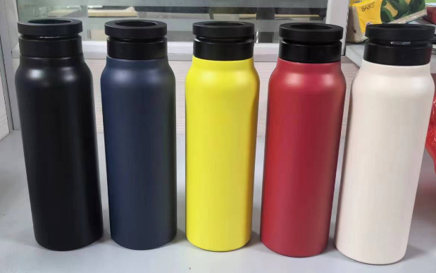
Many steel bottles have a painted finish. This coating gives grip and color. But it can chip or fade if handled badly.
- Hand Wash Only: Dishwasher heat can ruin the paint over time. Hand washing is better, even if the label says “dishwasher safe.”
- Soft Sponge: Never use steel wool or harsh pads outside. They will scratch the paint finish. Use only a soft cloth or a non-scratch sponge.
- Dry Immediately: Wipe the outside dry with a towel after washing. This stops water spots from forming.
5 Mistakes to Avoid
Avoid these common errors. They can damage your bottle:
- Using Bleach: Never use chlorine or bleach. It is too harsh. It can corrode the steel. It might ruin the internal welds.
- Microwaving the Bottle: Never put metal in a microwave. It will spark badly. This can cause serious damage to your appliance.
- Freezing the Bottle: Do not fill the bottle and freeze it. Water expands when frozen. This breaks the vacuum seal. It ruins the insulation.
- Ignoring the Gasket: If you never clean the rubber ring, you are drinking mold spores. Always clean this part.
- Storing it Wet: Do not close the lid on a wet bottle. This creates a humid, dark space. Mold and bacteria love this. Always store your bottle with the lid off.
FAQs on Bottle Hygiene
1. How often should I wash my bottle?
Wash it every day. Treat it like a drinking glass. At a minimum, rinse it daily. Do a deep soap wash every few days. Regular water bottle cleaning prevents the slimy film from forming.
2. Why does my water taste metallic?
The bottle needs a deep clean. It is not the metal. It is old residue. Use the vinegar soak method with distilled white vinegar. This fixes the pH. It removes any bad tastes easily, making your water tasting fresh.
3. Can I put lemon juice in my bottle?
Yes, steel is safe for acid drinks like lemon water. Quality steel resists mild acids. But wash the bottle daily. This prevents long-term problems or lingering strong flavors.
4. Is rust normal in steel bottles?
Good steel should not rust. If you see “rust,” it is usually a stubborn stain or dried gunk. Scrub it with a baking soda paste. If it remains, the steel quality may be low.
5. How does cleaning a stainless steel bottle compare to a plastic water bottle?
Stainless steel usually requires hand washing to protect the vacuum insulation and exterior finish, unlike many hard plastic water bottles that can be fully dishwasher safe. However, stainless steel naturally resists odors and staining better than porous plastic. Both require regular scrubbing, especially of the lid components.
6. Can I use the dishwasher?
Check the instructions first. High heat can damage the seal. It can also ruin the colored paint. Hand washing is safer. It helps your product last longer.
7. Does hot water kill germs?
Hot tap water helps clean. But it is not hot enough to sterilize. To kill germs, you need soap and scrubbing. Or use vinegar or peroxide for the best results.
Sustainability and Long-Term Value
Choosing a reusable water bottle is a fantastic choice for the planet. Every time you fill your bottle, you prevent another piece of single use plastic from entering our landfills and oceans. By following these cleaning steps, you protect your health and ensure your bottle lasts for many years.
A well-maintained stainless steel bottle provides excellent value. It guarantees your drinks are always clean and tasting fresh. This simple choice makes a big difference in reducing your environmental footprint. Continue your commitment to sustainability with proper care!
Steelermax Wholesale Water Bottles
At Steelermax, quality comes first. We offer many wholesale water bottles. These are designed to be durable, hygienic, and easy to clean.
We use premium food-grade stainless steel. Our bottles are perfect for personal use or corporate gifts. Good materials make for easier water bottle cleaning. This keeps your drinking safe every day. View our full range today. Find the best reusable water bottle for your needs.