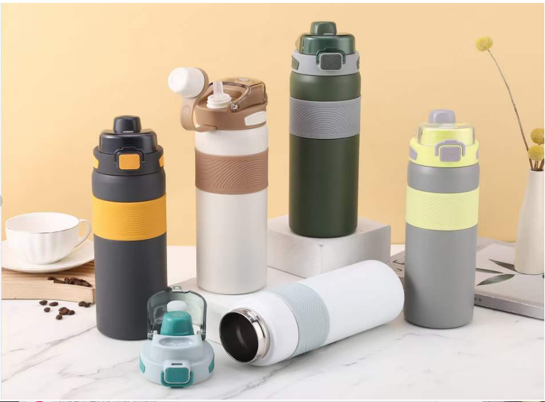
Many people use stainless steel tumblers, bottles, and containers every day. They are popular because they are strong, reusable, and keep drinks hot or cold for a long time. But a common question causes confusion: Is stainless steel microwave safe? Some people think metal should never go in a microwave. Others wonder if certain stainless steel products might be safe. In this guide, we explain everything clearly and simply. You will learn what is safe, what is risky, and how to heat drinks safely and effectively.
- Why Stainless Steel Usually Cannot Be Microwaved
- How Microwaves Heat Food
- When Stainless Steel Can Be Microwave-Safe
- Safe Alternatives for Heating Beverages
- Tips for Heating Liquids Safely
- About Steelermax – Stainless Steel Tumbler Manufacturer
- Summary
Why Stainless Steel Usually Cannot Be Microwaved
Stainless steel is metal. Metal reacts strongly inside a microwave. When microwaves hit metal surfaces, energy cannot pass through like it does with food or liquid. Instead, energy reflects along the surface. This can cause sparks, electrical arcs, strange noises, and even damage your microwave. This is why most manufacturers say stainless steel containers should not go in the microwave.
Another risk is uneven heating. Food and liquid inside a stainless steel container do not heat evenly. Microwaves cannot penetrate the metal, so some areas may stay cold while others become very hot. This can easily cause burns when opening the lid or drinking.
Internal pressure is another concern. Many stainless steel tumblers are vacuum insulated. This keeps drinks hot or cold, but it traps pressure. If you microwave a sealed or insulated stainless steel container, pressure can build quickly. Lids may pop off, and containers may deform. This can cause burns and spills.
Microwaving stainless steel can also damage the appliance. Repeated sparking and reflected energy harm the magnetron, the part that produces microwave energy. Over time, this reduces performance or may cause complete failure.
For these reasons, most stainless steel products are labeled “not microwave safe.” Even if no warning exists, the rule is the same: keep stainless steel and microwaves separate under normal use.
How Microwaves Heat Food
To understand why stainless steel is not microwave friendly, let’s see how microwaves work. Microwave ovens heat food with electromagnetic waves. These waves make water molecules in food and drinks vibrate rapidly. The vibration creates friction. Friction produces heat. Since most foods contain water, they heat quickly and evenly in the microwave.
Materials like glass, ceramic, and certain plastics allow microwaves to pass through. Energy goes directly into the food or liquid. This is why these containers are usually labeled microwave safe.
Metal behaves differently. It reflects microwave energy instead of absorbing it. Reflected energy can concentrate in spots and cause sparks or arcs. You may have seen this if you accidentally left a spoon in the microwave.
Stainless steel is highly reflective due to its smooth surface and good conductivity. This makes it unsuitable for heating food in a microwave. The liquid inside often stays cold while the metal can spark.
This explains why microwave safe stainless steel is very rare. Only special designs with careful engineering, safety testing, and labeling can be used safely.
When Stainless Steel Can Be Microwave-Safe
In rare cases, stainless steel products may be labeled microwave safe. This happens when the steel is thin, shaped carefully, and designed to reduce sharp edges. These products must pass strict safety testing before they are sold.
Some products use a stainless steel outer shell with a microwave-safe inner lining made of glass or ceramic. The steel never directly interacts with microwaves. The inner layer does the heating while the outer layer provides insulation. Instructions must be followed carefully.
Most vacuum-insulated tumblers are never microwave safe. The vacuum layer blocks heat, and metal walls reflect microwave energy. Even if the metal seems thin, it is unsafe.
If a product does not clearly say microwave safe stainless steel, assume it is unsafe. Testing yourself can be dangerous. Always follow manufacturer instructions.
In professional food service, safety standards are strict. Any stainless steel container for microwave use must pass repeated tests under controlled conditions. For everyday users, the rule is simple: if it is stainless steel, do not microwave unless labeled safe.
Safe Alternatives for Heating Beverages
If you want to reheat coffee, tea, or other drinks in a stainless steel tumbler, transfer the liquid to a microwave-safe container first. This is the safest method.
Glass cups are ideal. They are heat resistant, allow microwaves to pass through, and do not react with drinks. Ceramic mugs are also a good choice for home or office.
Some microwave-safe plastics work too, but they must be labeled clearly. Using the wrong plastic can lead to warping, melting, or chemical release.
After heating, pour the drink back into the stainless steel tumbler. This keeps the insulation benefits while heating safely and effectively.
This simple method is widely recommended. It avoids damage to your tumbler and prevents microwave accidents.
Tips for Heating Liquids Safely
Heating liquids in the microwave carries risks. One is superheating. This happens when water or other liquids heat beyond boiling without bubbling. Disturbing the liquid may cause eruptions and burns.
To prevent this, use microwave-safe containers. Leave lids slightly open so pressure can escape. Stir liquids before and after heating to prevent superheating.
Heat in short intervals. For example, 20–30 seconds at a time, stir, then continue if needed. This distributes heat evenly and avoids overheating.
Always use oven mitts or a towel when handling hot containers. Even microwave-safe materials can become very hot.
By following these habits, you can heat drinks safely and effectively every day.
About Steelermax – Stainless Steel Tumbler Manufacturer
Steelermax is a professional Stainless Steel Tumbler Manufacturer. We specialize in OEM and ODM stainless steel drinkware for global B2B customers. Our focus is on safety, stable quality, and practical customization solutions.
Our factory produces a wide range of stainless steel tumblers, water bottles, and insulated drinkware. From daily cups to promotional products and retail-ready items, we serve brands in Southeast Asia, South America, North America, and more.
Safety is a priority. Our products are designed with careful control over materials, insulation, lids, and finishes. While not microwave safe, they perform reliably in daily use.
Working with Steelermax gives buyers access to a stable supply, flexible customization, and guidance on using stainless steel drinkware safely and effectively.
Summary
Stainless steel is popular for drinkware but generally not microwave safe. Metal reflects microwave energy. Placing stainless steel in a microwave can cause sparks, uneven heating, pressure, and damage to both the user and appliance.
Microwave safe stainless steel exists only in rare, labeled cases. For most users, heat drinks in glass, ceramic, or microwave-safe plastic first.
Understanding how microwaves work and how stainless steel reacts helps you make safer choices. Transfer liquids, heat in short intervals, and avoid sealed containers.
With proper knowledge and tools, you can enjoy stainless steel tumblers while heating beverages safely and effectively.